
As cities continue to expand, maintaining a connection with nature has become increasingly important. Sustainability initiatives around the world are focusing on creating cleaner and healthier surroundings where people and ecosystems can thrive. Within this movement, landscaping contractors in Sydney play an important role in shaping environmentally responsible urban spaces. Their work extends beyond planting flowers or maintaining gardens.
Modern landscaping focuses on ecological balance, efficient resource use, and designing outdoor areas that support cleaner environments. Through thoughtful planning and sustainable practices, landscaping professionals contribute to greener communities while improving the overall quality of urban life.
The Role of Landscaping in Creating Sustainable Urban Spaces
Landscaping is an essential part of urban environmental management. Well-designed outdoor spaces can provide numerous benefits, including improved air quality, reduced heat, and better stormwater control.
In cities like Sydney, where urban development continues to grow, landscaping contractors help integrate natural elements into residential, commercial, and public areas. Trees, shrubs, grass, and native plants contribute to healthier surroundings by absorbing carbon dioxide, producing oxygen, and providing habitats for local wildlife.
Green spaces also help reduce the urban heat island effect, where built-up areas become significantly warmer due to concrete, asphalt, and reduced vegetation. Strategic landscaping solutions, such as planting shade trees and creating vegetation corridors, can help moderate temperatures and make outdoor environments more comfortable.
By combining design expertise with environmental awareness, landscaping contractors support the development of cities that are not only visually appealing but also more resilient and sustainable.
Sustainable Landscaping Practices for Cleaner Environments
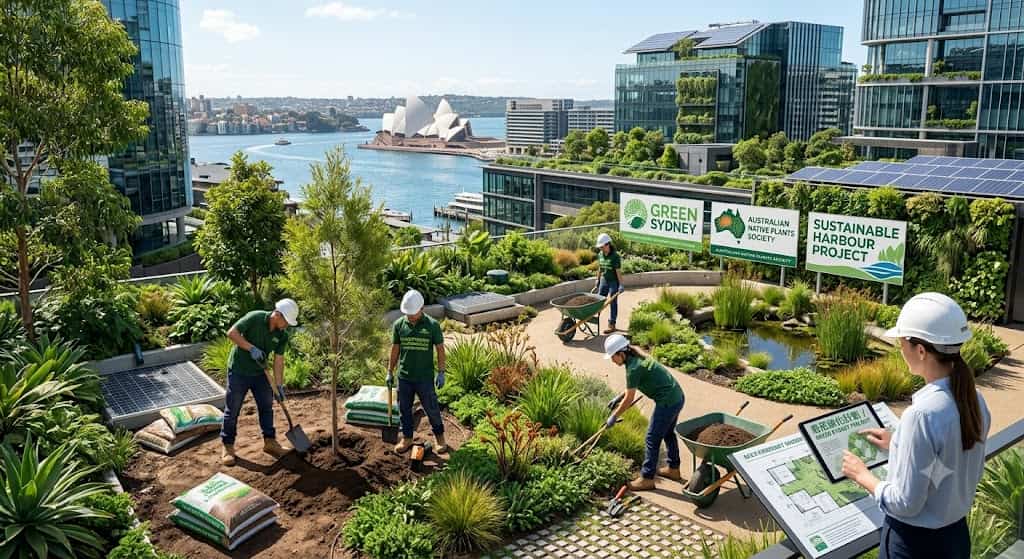
Modern landscaping has evolved to include environmentally responsible methods that reduce waste and conserve natural resources. Landscaping contractors in Sydney increasingly incorporate sustainable techniques that align with broader clean environment goals. Some common sustainable landscaping practices include:
- Using native plants that require less water and maintenance
- Installing efficient irrigation systems to reduce water consumption
- Applying organic compost to improve soil health
- Creating gardens that support pollinators and local biodiversity
- Using recycled or environmentally friendly materials in landscaping projects
Native plants are particularly valuable because they are adapted to local climate conditions. They often require less water and provide better support for native insects and wildlife compared to non-native species.
Water management is another important consideration. Efficient irrigation systems, rainwater collection solutions, and drought-resistant garden designs help reduce unnecessary water usage while maintaining healthy landscapes.
These approaches demonstrate how landscaping can become part of a larger environmental strategy rather than simply an aesthetic improvement.
Supporting Businesses and Communities through Green Design
Clean and attractive outdoor spaces provide benefits beyond environmental protection. They also influence how people experience workplaces, neighborhoods, and public areas.
For businesses, professionally designed landscapes can create welcoming environments for employees, customers, and visitors. Green surroundings have been linked to improved comfort, reduced stress, and greater satisfaction in shared spaces. Commercial properties, schools, healthcare facilities, and residential developments increasingly recognize the value of sustainable landscaping as part of their overall design strategy. Outdoor areas that include trees, gardens, and natural elements can make buildings feel more connected to their surroundings.
Landscaping contractors help organizations achieve these goals by developing designs that balance appearance, functionality, and environmental responsibility. Their expertise allows outdoor spaces to become valuable community assets rather than unused areas.
In residential neighborhoods, well-maintained gardens and shared green spaces can encourage outdoor activities and stronger community connections. Cleaner, greener surroundings contribute to healthier lifestyles and improved overall well-being.
Technology and Innovation in Modern Landscaping
Technology is also transforming the landscaping industry. Today’s landscaping contractors use advanced tools and techniques to create more efficient and sustainable outdoor environments.
Digital design software allows professionals to visualize projects before construction begins, helping clients make informed decisions about plant selection, layouts, and resource requirements. Smart irrigation systems can monitor soil conditions and adjust watering schedules automatically, preventing unnecessary water usage.
As sustainability expectations continue to increase, technology will remain a key factor in helping cities develop greener and more efficient landscapes.
Building a Cleaner Future through Thoughtful Landscaping
The push for cleaner environments requires cooperation between individuals, businesses, and industries. Landscaping contractors in Sydney represent an important part of this effort by creating outdoor spaces that support environmental health, community well-being, and sustainable urban development.
Their work demonstrates that landscaping is not only about appearance, it is also about creating systems that protect natural resources and improve how people interact with their surroundings. Through sustainable planting choices, responsible water management, innovative technology, and environmentally conscious design, landscaping professionals help cities move toward a greener future.
As urban areas continue to evolve, the importance of thoughtful landscaping will only grow. By transforming ordinary spaces into thriving green environments, landscaping contractors help ensure that future generations can enjoy cleaner cities, healthier ecosystems, and a stronger connection with nature.