
Traditional sewer repair often involves heavy excavation, which disturbs soil layers, disrupts ecosystems, and increases the release of carbon emissions through machinery and transport. These methods can damage nearby vegetation, affect groundwater flow, and generate large volumes of construction waste that must be managed or disposed of.
Modern trenchless approaches offer a different path. One widely used method is sewer relining (relinen riolering), which allows damaged pipelines to be restored from within. Instead of digging long trenches, technicians insert a new lining inside the existing pipe. According to practical implementations highlighted by industry providers like Riool-Herstel, this approach minimizes surface disruption while maintaining structural integrity. The environmental implications of this shift are significant and increasingly recognized across infrastructure sectors.
Why Sewer Relining Matters for the Environment
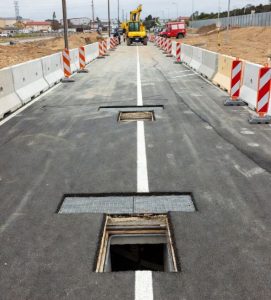 As cities expand and infrastructure ages, repairing underground systems becomes unavoidable. The challenge lies in balancing maintenance needs with environmental responsibility. Traditional excavation methods tend to prioritize speed of access, while trenchless solutions emphasize preservation, efficiency, and sustainability. These differences become clearer when examining the specific environmental advantages of relining.
7 Environmental Benefits of Sewer Relining
1. Reduced Carbon Emissions
Sewer relining requires fewer heavy machines and less transportation of materials. This leads to lower fuel consumption and reduced greenhouse gas emissions. Research by **U.S. Environmental Protection Agency (EPA)** shows that construction equipment is a significant contributor to urban emissions. By minimizing excavation, trenchless repair helps reduce the overall carbon footprint of infrastructure projects.
2. Less Soil Disruption
Excavation disturbs large sections of soil, which can impact natural drainage patterns and soil stability. Relining preserves the existing ground structure because it works through small access points. This approach helps maintain soil composition and reduces erosion risks in surrounding areas.
3. Protection of Water Sources
Digging near pipelines increases the risk of contaminating nearby groundwater. Chemicals, sediments, and debris can enter water systems during open trench repairs. With relining, the pipeline is sealed internally, reducing the chance of leakage and protecting nearby water tables. Data from **World Health Organization (WHO)** highlights the importance of safeguarding freshwater systems, especially in urban environments where contamination risks are higher.
4. Lower Material Waste
Traditional sewer replacement often involves removing and discarding old pipes, concrete, and surrounding materials. This generates significant waste that must be transported and processed. Sewer relining retains the existing pipe structure and reinforces it from within, reducing the need for disposal and minimizing landfill contribution.
5. Minimal Habitat Disruption
Urban and suburban excavation can disturb small ecosystems, including underground organisms, plant roots, and nearby wildlife habitats. By avoiding large-scale digging, trenchless methods help preserve these environments. Even in densely populated areas, maintaining small ecological balances contributes to long-term environmental stability.
6. Reduced Noise and Air Pollution
Construction sites that involve excavation often produce continuous noise from drilling, digging, and hauling equipment. They also generate dust and particulate matter that affect air quality. Relining operations are typically quieter and cleaner, which reduces environmental stress in surrounding communities. Studies referenced by **European Environment Agency (EEA)** indicate that construction noise and emissions can significantly impact urban living conditions.
7. Efficient Use of Resources
Trenchless repair methods are generally more resource-efficient. They require fewer raw materials, less water for construction processes, and shorter project timelines. This efficiency translates into reduced energy consumption and better allocation of labor and equipment. Over time, this contributes to more sustainable infrastructure management practices.
A Practical Shift Toward Sustainability
The transition from traditional excavation to trenchless sewer repair reflects a broader movement toward environmentally conscious engineering. Decisions about infrastructure are increasingly shaped by policy as well as technology. For example, understanding the political landscape of environmental policy in Europe helps illustrate how governments balance ecological protection with infrastructure needs. By reducing surface disruption and limiting the use of heavy resources, relining supports both ecological preservation and urban resilience.
Municipal planners and contractors increasingly consider environmental impact alongside cost and durability. Sewer relining fits within this framework by offering a method that maintains functionality while reducing ecological strain. As aging infrastructure continues to challenge cities worldwide, solutions that combine efficiency with environmental care become essential rather than optional.
Conclusion
In conclusion, trenchless rehabilitation methods demonstrate how infrastructure maintenance can evolve to meet modern sustainability goals. By reducing emissions, limiting waste, protecting water systems, and preserving natural surroundings, pipe relining stands as a practical and forward-looking alternative. Its role in underground infrastructure highlights a broader principle, that progress and environmental responsibility can work together when thoughtful technologies are applied.