
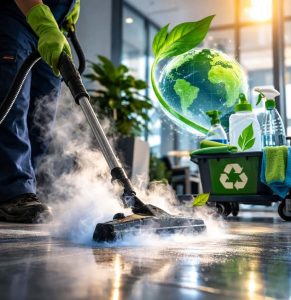
 Cleaning products are designed to keep us healthy, but many have downsides. Harsh chemicals from homes, offices, hospitals, and factories often end up in our air, soil, and water. Over time, this impact grows. Professional cleaning services like Al Masa help address this issue by using safer methods and more responsible product choices. When they do their job well, they help reduce waste, lower toxic runoff, and create healthier indoor spaces.
Smarter Product Selection
A major way professional cleaners help reduce chemical pollution is by choosing the right products. Many companies now use certified green or eco-friendly cleaners. Organizations such as Green Seal and EPA Safer Choice set standards for safer cleaning products. Professional services commonly rely on these certifications when selecting supplies. That means fewer phosphates, less chlorine, and fewer synthetic fragrances entering waterways.
On the other hand, many households still use strong store-bought cleaners. These are often overused or misused. Professional teams are trained to use only what is needed and in the right amount. This alone helps reduce chemical waste.
Accurate Dilution and Controlled Use
Using too much cleaner is a common issue. Many people think more product means better cleaning, but that’s rarely the case. Extra chemicals don’t make things cleaner; they just leave more residue and cause more pollution.
Professional cleaners use dilution control systems that precisely measure the ratio of concentrate to water. This ensures the cleaning strength remains consistent without wasting product. As a result, large facilities use fewer chemicals overall.
In commercial spaces, this makes a big difference. Offices, schools, and hospitals use cleaning products every day. Even small reductions each time add up. Using the right amount also helps protect workers from being exposed to too many chemicals.
Use of Advanced Equipment
Modern cleaning tools do more with less. High-efficiency vacuums with HEPA filtration capture fine particles without spreading them into the air. Steam-cleaning systems rely on heat rather than chemicals to sanitize surfaces.
Steam vapor systems can disinfect floors, tile, and even upholstery using mostly water. This reduces the need for chemical disinfectants in many routine tasks. Microfiber cloths and mops also have a role. Their structure traps dirt and bacteria better than traditional cotton materials. Because they clean more efficiently, they require fewer cleaning agents.
Electrostatic sprayers are another helpful tool. They spray disinfectant in a fine, even mist that sticks to surfaces. This gives better coverage and reduces overspray. Less product is wasted, and fewer chemicals end up in the air or drains.
Safer Waste Disposal Practices
Throwing away cleaning chemicals the wrong way directly causes pollution. Pouring leftover solutions down storm drains or into regular trash can pollute soil and groundwater. Professional cleaning companies learn about local environmental rules. They use the appropriate methods to remove hazardous materials. In bigger jobs, they may work with licensed waste management services, such as the United States Environmental Protection Agency, which provides guidelines for handling chemical waste. Reputable cleaning services align their procedures with these standards. That lowers the risk of accidental contamination.
Focus on Indoor Air Quality
Chemical pollution doesn’t just affect rivers and soil. Indoor air can also carry pollutants from cleaning products. VOCs from sprays and solvents can cause breathing problems and long-term health issues.
Professional services are increasingly prioritizing low-VOC or fragrance-free products. They also use equipment that reduces airborne spread. HEPA filtration systems capture fine dust, mold spores, and allergens without releasing them back into the room.
Cleaner indoor air is better for workers and residents. It also means there’s less need for strong chemical deodorizers. When spaces are cleaned the first time thoroughly, there’s less need to mask odors with extra products.
Structured Cleaning Plans
A clear cleaning schedule prevents dirt from building up. When grime piles up, it often takes stronger chemicals to clean it. Regular cleaning lets milder products work just fine. each facility and create a plan based on traffic levels and surface types. That approach lessens the need for emergency deep cleans that rely on aggressive solvents. It additionally extends the life of flooring, countertops, and fixtures. Fewer replacements mean less manufacturing and chemical production overall.
Training and Accountability
Training is important. Staff at professional cleaning companies learn about product safety, proper use, and the environmental impact of their products. They know how chemicals interact and why mixing them can be risky. Accountability also matters. Many commercial cleaning contracts include sustainability goals. Some companies keep track of how much chemical, water, and waste they produce. This information helps them refine their methods and improve over time.
Organizations like the International Sanitary Supply Association set standards and offer education for the industry. These programs encourage responsible chemical use and ongoing improvement. Packaging also contributes to chemical pollution. Many professional suppliers provide concentrated solutions in large containers. These are mixed with water on-site, reducing plastic waste compared to single-use bottles.
Refillable systems and closed-loop dispensers further reduce packaging waste. It might seem like a small thing, but big facilities can use hundreds of bottles every year. Using fewer bottles means less manufacturing waste and a smaller environmental impact. Professional cleaning services often help buildings seeking environmental certifications, such as the U.S. Green Building Council’s LEED program. Using sustainable cleaning methods can earn credits for indoor air quality and material use. This connection encourages property managers to use greener products and procedures. Over time, market demand moves in the direction of safer chemical compounds. That cascading effect affects manufacturers to innovate and reduce harmful ingredients.
A Practical Shift, Not a Perfect Fix
Professional cleaning services can’t completely eliminate chemical pollution. Disinfection is still needed in many places, especially in healthcare. But choosing products carefully, using them precisely, and disposing of them properly helps reduce the overall impact. This change is practical. It’s about using less, choosing better products, and working smarter. When these steps are taken in offices, schools, factories, and apartments, the environmental benefits really add up.
Chemical pollution is often invisible. It enters drains, evaporates into the air, or seeps into soil. Professional cleaning services cannot solve every environmental issue. But by deliberately and diligently managing chemicals, they help limit unnecessary exposure and waste. In the end, we don’t have to choose between clean spaces and a healthy environment. With proper training, modern tools, and smart product choices, professional cleaning can protect both people and the environment.